Dampfreis: A Complete Guide to Steamed Rice, Its Benefits, Uses, and Modern Cooking Methods
Dampfreis, commonly known as steamed rice, is one of the most widely consumed and versatile food staples in the world. The term dampfreis originates from German, where it literally means “steam rice,” referring to rice cooked using steam rather than heavy boiling. This gentle cooking method preserves texture, flavor, and nutrients, making dampfreis a preferred choice in both traditional and modern kitchens.
Across cultures, dampfreis plays a central role in daily meals, fine dining, and even health-focused diets. From Asian cuisine to European interpretations, steamed rice is valued for its simplicity, adaptability, and nutritional balance. In this in-depth guide, you will learn what is, how it differs from other rice preparation methods, its health benefits, cooking techniques, and how it fits into contemporary food trends.
What Is Dampfreis?
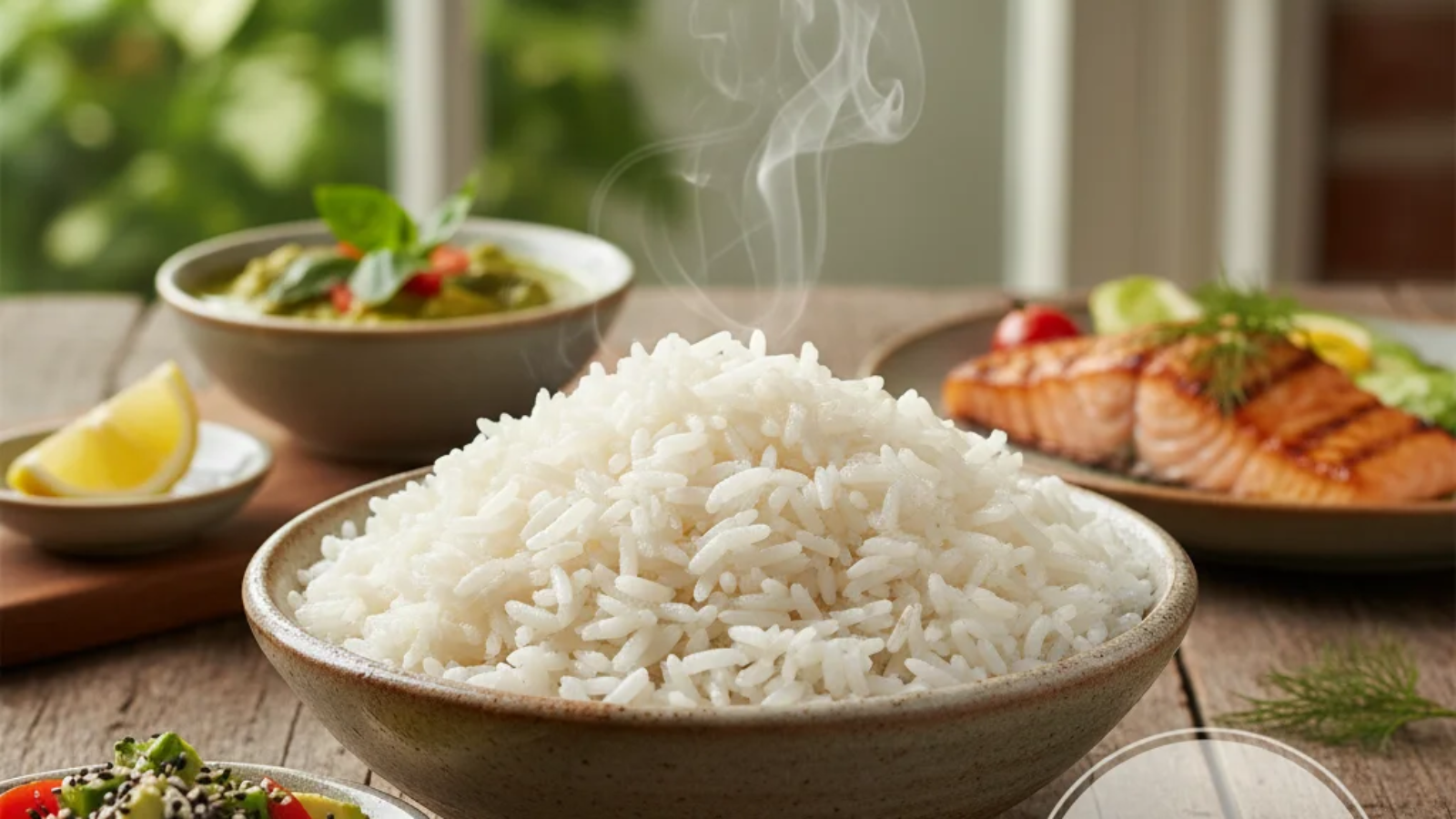
Dampfreis is rice that is cooked primarily using steam instead of being submerged in excess water. This technique allows the rice grains to absorb moisture slowly and evenly, resulting in a fluffy texture with well-defined grains.
Unlike boiled rice, which can lose nutrients into the cooking water, retains more of its natural vitamins and minerals. This makes it a popular option for people who want a clean, wholesome carbohydrate source without unnecessary processing.
Steaming rice has been practiced for centuries, especially in regions where rice is a dietary foundation. Today, dampfreis is associated with precision cooking, healthier meals, and refined taste.
The History and Cultural Importance of Dampfreis
The concept of cooking rice with steam dates back thousands of years. In ancient China and Southeast Asia, bamboo steamers were used to prepare rice for large communities. In Europe, particularly in German-speaking regions, dampfreis evolved as a practical and efficient method to produce consistently cooked rice.
Over time, dampfreis became more than just a cooking method. It turned into a culinary standard used in homes, restaurants, and industrial kitchens. With the invention of modern steam cookers and rice cookers, the process became easier while maintaining its traditional essence.
Today, dampfreis symbolizes balance—simple preparation combined with reliable results.
How Dampfreis Differs From Other Rice Cooking Methods
Understanding how dampfreis stands apart from other methods helps explain why it remains so popular.
Dampfreis vs Boiled Rice
Boiled rice is cooked in a large amount of water, which is later drained. This often leads to nutrient loss and softer grains. Dampfreis, on the other hand, uses controlled steam, resulting in firmer texture and better nutrient retention.
Dampfreis vs Fried Rice
Fried rice is prepared after cooking rice, usually with oil and additional ingredients. Dampfreis is the base form—plain, clean, and neutral—making it ideal for pairing with other dishes.
Dampfreis vs Pressure-Cooked Rice
Pressure cooking speeds up the process but can sometimes make rice sticky or overly soft. offers better control and a more natural mouthfeel.
Nutritional Value of Dampfreis
Dampfreis is not just filling—it is nutritionally valuable when prepared correctly.
Steamed rice provides:
-
Complex carbohydrates for sustained energy
-
Low fat content
-
Naturally gluten-free composition
-
Essential minerals like magnesium and phosphorus
Because dampfreis does not require added oils or fats, it fits well into balanced diets. Brown or whole-grain versions of dampfreis also offer dietary fiber, supporting digestion and heart health.
Health Benefits of Eating Dampfreis
Gentle on Digestion
Dampfreis is easy to digest, making it suitable for people with sensitive stomachs or those recovering from illness.
Supports Weight Management
Its low fat content and high satiety factor help control calorie intake when consumed in proper portions.
Ideal for Special Diets
Dampfreis works well for vegetarian, vegan, and gluten-free diets. It is often included in medical nutrition plans due to its simplicity.
Maintains Blood Sugar Balance
When paired with proteins and vegetables, provides steady energy without sharp glucose spikes.
Popular Types of Rice Used for Dampfreis
Different rice varieties can be used to prepare , depending on texture and flavor preference.
Long-Grain Rice
Produces fluffy, separate grains and is ideal for everyday meals.
Medium-Grain Rice
Slightly softer and more moist, commonly used in European and Japanese dishes.
Short-Grain Rice
More sticky when steamed, often used in traditional Asian recipes.
Brown Rice
Requires longer steaming time but offers higher fiber and nutritional value.
How to Cook Dampfreis Perfectly at Home
Cooking at home is simple with the right approach.
Traditional Steaming Method
Rice is rinsed, soaked briefly, and then placed in a steamer basket over simmering water. Steam cooks the grains evenly without direct contact with water.
Using a Rice Cooker
Modern rice cookers often simulate the dampfreis method by controlling moisture and temperature automatically.
Steam Oven Method
Steam ovens provide precise heat control, making them ideal for preparing restaurant-quality dampfreis.
Key tips include proper rinsing, correct water-to-rice ratio, and allowing the rice to rest after steaming.
Common Mistakes to Avoid When Making Dampfreis
Even a simple dish like can be affected by small errors.
-
Skipping the rinse can result in sticky rice
-
Using too much water leads to soggy texture
-
Lifting the lid too often releases steam
-
Not resting the rice causes uneven moisture distribution
Avoiding these mistakes ensures consistently high-quality results.
Dampfreis in Modern Cuisine
In today’s food culture, dampfreis is more relevant than ever. It is widely used in meal prep, fitness diets, and gourmet cooking. Chefs appreciate it as a neutral base that highlights sauces, spices, and proteins without overpowering flavors.
From minimalist plates to elaborate dishes, dampfreis adapts effortlessly. Its clean profile allows creativity while maintaining nutritional balance.
Sustainability and Dampfreis
Rice production and preparation also play a role in sustainability. Steaming rice uses less water compared to boiling methods, making a more environmentally conscious option.
When combined with responsibly sourced rice, this method supports reduced waste and efficient energy use.
Why Dampfreis Remains a Timeless Staple
Despite evolving food trends, dampfreis continues to be a kitchen essential. Its simplicity, versatility, and health benefits keep it relevant across generations. Whether served plain or enhanced with herbs and vegetables, steamed rice remains a dependable foundation for countless meals.
Conclusion
Dampfreis is more than just steamed rice—it is a cooking philosophy rooted in balance, nutrition, and simplicity. By using steam instead of excessive water or fats, dampfreis preserves flavor, texture, and essential nutrients. Its adaptability across cultures and diets makes it one of the most reliable food staples in the world.
As modern kitchens embrace healthier and more sustainable cooking methods, dampfreis continues to stand out as a timeless, practical, and nourishing choice. Whether you are preparing everyday meals or refined dishes, incorporating dampfreis ensures quality, consistency, and wholesome nourishment.
Frequently Asked Questions (FAQs)
1. What does dampfreis mean?
Dampfreis is a German term that means steamed rice, referring to rice cooked using steam instead of boiling.
2. Is healthier than boiled rice?
Yes, retains more nutrients and does not require draining water, making it a healthier option.
3. Can dampfreis be made without special equipment?
Yes, dampfreis can be prepared using basic kitchen tools like a pot with a steaming insert.
4. Which rice type is best for dampfreis?
Long-grain and medium-grain rice are commonly used, but brown and short-grain rice also work well.
5. Is suitable for weight-loss diets?
Yes, is low in fat, filling, and easy to portion, making it suitable for weight management plans.