Pyntekvister: The Ultimate Guide to Enhancing Your Home with Decorative Twigs
Are you looking for a simple, cost-effective way to breathe new life into your living space? Pyntekvister, a charming Scandinavian term for decorative twigs and branches, offers a bridge between the raw beauty of the outdoors and the comfort of your home. Whether you are aiming for a minimalist Scandi-chic look or a warm, rustic atmosphere, these natural elements provide texture, height, and organic soul to any room. In this guide, we will explore why pyntekvister is becoming a staple in modern interior design and how you can use it to elevate your home.
What are Pyntekvister and Why are They Popular?
At its core, pyntekvister refers to any branch or twig used specifically for ornamentation. Unlike a standard bouquet of flowers that withers within a week, these decorative branches offer longevity and a sculptural quality that evolves with the seasons. They embody the “Friluftsliv” philosophy—the Nordic passion for being outdoors—by bringing a piece of the forest across your threshold.
In a world increasingly dominated by synthetic materials and digital screens, pyntekvister provides a tactile, grounding presence. Designers love them because they are incredibly versatile; a single, gnarled branch can act as a bold statement piece, while a bundle of slender birch twigs can create a soft, airy backdrop.
The Benefits of Decorating with Pyntekvister
-
Sustainability: They are often foraged or sourced from renewable materials, making them an eco-friendly choice.
-
Low Maintenance: Unlike houseplants, dried or preserved branches require zero watering or sunlight.
-
Budget-Friendly: You can often find high-quality pyntekvister in your own backyard or local park for free.
-
Visual Impact: They add vertical interest to rooms with high ceilings or fill awkward empty corners.
Essential Types of Pyntekvister for Every Style
Not all branches are created equal. Depending on the vibe you want to achieve, choosing the right species of pyntekvister is crucial. Here are some of the most popular varieties used in professional interior styling:
1. Willow and Curly Willow (Trollhassel)
Known for their whimsical, twisting shapes, curly willow branches are the gold standard of pyntekvister. They add a sense of movement and drama to a space. Because they are so structurally interesting, they often look best when displayed alone in a tall, heavy vase.
2. Birch Twigs (Bjørkekvister)
Birch is synonymous with Scandinavian design. The white or silvery bark of birch pyntekvister provides a clean, bright aesthetic. These are often used in “fastelavnsris” (seasonal bundles) or tied together with simple twine for a rustic mantel display.
3. Cherry and Magnolia Blossoms
If you prefer a softer, more feminine touch, flowering pyntekvister are the way to go. While these are often used fresh in the spring, high-quality silk or “real-touch” versions allow you to enjoy the look of budding blossoms year-round.
Styling Pyntekvister: Professional Tips and Tricks
Simply sticking a bunch of sticks in a jar won’t always give you that magazine-ready look. Styling pyntekvister requires a bit of an eye for balance and proportion.
Choose the Right Vessel
The vase is just as important as the branches themselves. For heavy, top-heavy pyntekvister, use a ceramic or thick glass vase with a wide base to prevent tipping. For delicate, airy twigs, a slender “bud vase” or a clear glass bottle works beautifully to highlight the fine details of the wood.
Focus on Asymmetry
Nature isn’t perfectly symmetrical, and your decor shouldn’t be either. When arranging your pyntekvister, try to create a “leaning” effect. Place taller branches toward the back and shorter, more intricate pieces toward the front to create depth.
Layer with Other Textures
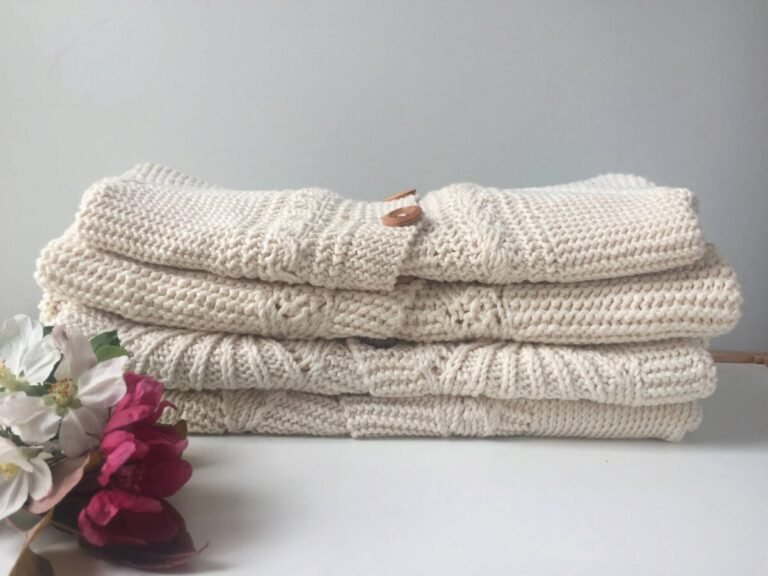
To keep the look from feeling too “dry,” pair your pyntekvister with softer elements. Place a vase of branches next to a stack of linen-bound books, or drape a chunky knit throw nearby. The contrast between the hard wood and soft fabric creates a sophisticated, multi-sensory experience.
Seasonal DIY Ideas with Pyntekvister
One of the best things about pyntekvister is how easily they can be adapted for different holidays and seasons. You don’t need to buy new decor every few months; you just need to update your branches.
Spring: The Awakening
In the spring, adorn your pyntekvister with light, pastel-colored ribbons or small wooden eggs for a Scandinavian Easter tree (Påskeris). You can also force “live” branches to bloom indoors by placing them in warm water, bringing the first signs of spring into your living room while there is still snow outside.
Autumn: Earthy Elegance
As the leaves turn, look for pyntekvister that still have dried berries or interesting seed pods attached. You can spray paint these branches in copper or gold tones to create a warm, metallic glow that complements the autumn light.
Winter: The Cozy Glow
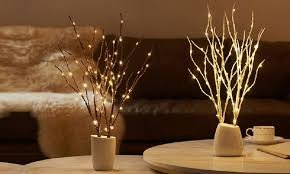
During the darker months, pyntekvister can be transformed into a magical light source. Wind a string of delicate LED “fairy lights” around the branches. The wood diffuses the light, creating a soft, warm amber glow that is much more inviting than a harsh overhead lamp.
2026 Interior Trends: The Rise of “Tactile Nature”
As we move through 2026, the trend of “Tactile Nature” is taking center stage. Modern minimalism is being replaced by a more “soulful” approach to design. People are moving away from “perfect” furniture and toward items that show the hand of the maker or the marks of nature.
In this context, pyntekvister are being used more boldly. We are seeing large-scale branch installations used as headboards, room dividers, and even “floating” ceiling decor. The goal in 2026 is to create a multi-sensory home—using scent, texture, and natural forms to improve mental well-being. Using pyntekvister is one of the easiest ways to join this movement without a complete home renovation.
How to Forage and Prepare Your Own Pyntekvister
If you decide to forage your own pyntekvister, there are a few steps you should take to ensure they last and don’t bring unwanted guests (bugs) into your home.
-
Selection: Look for branches that have fallen naturally after a storm, or prune sparingly from your own trees. Avoid branches that look “mushy” or have visible fungal growth.
-
Cleaning: Wipe the branches down with a damp cloth to remove dirt. If you are worried about insects, you can leave the branches in a garage or shed for a few days, or lightly spray them with a diluted vinegar solution.
-
Preservation: If you want your pyntekvister to stay supple, you can “glycerize” them. This involves placing the ends of the branches in a mixture of one part glycerin and two parts water. The branch absorbs the glycerin, keeping it from becoming brittle over time.
-
Sealing: For a more polished look, a quick coat of clear matte spray sealant will prevent the bark from flaking off and give the wood a slight, healthy-looking sheen.
Conclusion: Embracing the Simplicity of Nature
Incorporating pyntekvister into your home is more than just a design choice; it’s a way to slow down and appreciate the quiet beauty of the natural world. From a single willow branch in a hallway to an elaborate seasonal display on a dining table, these decorative twigs offer endless possibilities for creativity and personalization.
By following the tips in this guide, you can use pyntekvister to create a space that feels authentic, warm, and timeless. So, the next time you’re out for a walk, keep your eyes open—your next favorite piece of home decor might just be lying on the forest floor.
Frequently Asked Questions (FAQs)
1. Can I use any type of wood for pyntekvister?
While most branches can be used, some are better than others. Hardwoods like oak, birch, and fruit trees (apple or cherry) are excellent because they are sturdy and have beautiful bark textures. Avoid soft, sappy woods like pine unless they are completely dried, as the resin can leak and damage your furniture or vases.
2. How do I keep my pyntekvister from getting dusty?
Since you don’t wash these like curtains, dust can accumulate. The best way to clean pyntekvister is to use a hair dryer on a “cool” setting to blow the dust off. For more stubborn dust, a soft-bristled paintbrush or a makeup brush works perfectly to get into the nooks and crannies of the bark.
3. Are pyntekvister safe for homes with pets?
Generally, yes, but you should be careful with certain species. Some trees, like Yew or certain types of Eucalyptus, can be toxic if chewed by cats or dogs. If you have a curious pet, it is best to stick to safe woods like birch or apple, or place your pyntekvister in a location that is out of reach.
4. How long do dried pyntekvister last?
If kept in a dry environment and out of direct, harsh sunlight (which can make wood brittle), high-quality pyntekvister can last for years. If you find they are starting to look dull, a very light misting of water or a specialized wood oil can sometimes revive their appearance.
5. Where is the best place in the house to put pyntekvister?
The entryway is a fantastic spot because it sets a natural tone for the rest of the home. However, pyntekvister also works well in the bedroom for a calming, organic feel, or in the bathroom to create a spa-like atmosphere. Just ensure the area isn’t too humid if the branches aren’t sealed, as moisture can lead to mold.